
Narcissistic Abuse & Antagonistic Relational Stress
Area of PracticeWhat is Narcissistic Abuse & Antagonistic Relational Stress?
It is interpersonally harmful, deceitful, and invalidating patterns, behaviors, and alternating disruptions of safety and trust observed in any relationship with a person who has a personality style characterized by antagonism,
- Manipulation
- Arrogance
- Hostility
- Entitlement
- Variable empathy
- Exploitativeness
These harmful behaviors allow the narcissistic & antagonistic person to assert control and dominance and in the relationship and maintain a grandiose and distorted appraisal of themselves, all of which protects their vulnerability, insecurity, and fragility, and suppresses their shame, while resulting in significant psychological harm to the other person(s) in the relationship. The abusive behaviors alternate with periods of connection and comfort. In addition, there is typically the maintenance of separate behavioral repertoires by the narcissistic person (prosocial and gregarious in public while behaving in an antagonistic manner in private unobserved settings with partners, family, or others from whom validation is less valued), which augments the sense of confusion for those in these relationships. (Durvasula, 2023)
Patterns:
- Infidelity,
- Financial betrayal
- Daily invalidation
- Dishonesty
- Disloyalty
- Not being seen
- Lack of equity
- Lack of recognition
- Neglect, physical and sexual abuse, willful cruelty ( severe cases )
Antagonistic behaviors are designed to create conflict, confusion, and emotional chaos. Those who engage in them often have an exaggerated sense of self-importance, expect special treatment, and show little awareness or concern for the needs and feelings of others. They readily use people for their own gain and struggle with accurate self-assessment, often avoiding or denying their own destructive patterns. Because they must maintain a view of themselves as “healthy” or superior, any challenge to that self-image can trigger emotional avoidance, deep distress, or intense rage. They use patterns that diminish and devalue by using gaslighting, domination, disagreeableness, betrayal, and deprivation.
Gaslighting is a complex process that insidiously demeans a victim.
Examples:
- Stop being so sensitive
- That never happened
- Your mind seems off
- You need help
- Why can’t you take a joke?
- Why are you always so angry?
- Why can’t you let go of the past?
- Stop exaggerating
- It wasn’t that bad
- I don’t actually think that is what you are feeling
- You have no right to feel that way
- It’s all in your head
Symptoms:
Gaslighting creates two major disruptive symptoms: Cognitive Dissonance and Ruminating Thoughts. Cognitive Dissonance is a battle within your inner thoughts and actions, competing against each other in an endless tug of war in your mind. They’re Good / They’re bad. “Rumination involves repetitive thinking or dwelling on negative feelings and distress and their causes and consequences. The repetitive, negative aspect of rumination can contribute to the development of depression or anxiety and can worsen existing conditions.
Reasons To Come Into Therapy:
- Escalation of anxiety, depression, ie.
- Relationship difficulties
- Personal setbacks
- Seeking solutions
- Significant family disruptions
- Significant change in circumstance or reputation
- Legal actions
- Have lost most people and are experiencing loneliness, sadness, and isolation
Who is a narcissist
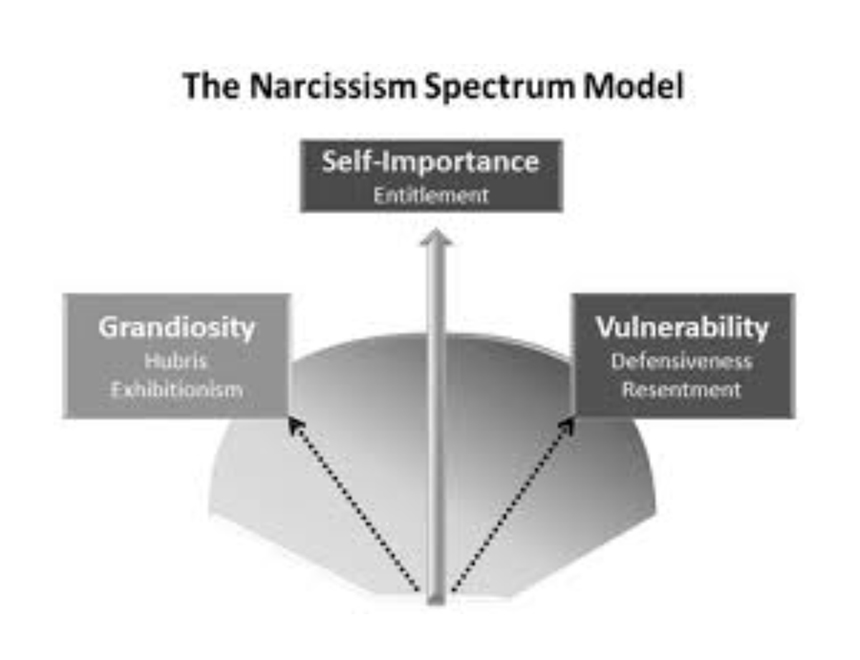
Narcissistic Personality Disorder:
- A pervasive pattern of grandiosity, need for admiration, and lack of empathy…as indicated
- Has a grandiose sense of self-importance (exaggerates achievements and talents, expects to be recognized as superior without the achievements)
- Is preoccupied with fantasies of unlimited success, power, brilliance, beauty or ideal love
- Believes that he or she is “special”, and unique and can only be understood by, or should associated with, other special or high-status people (or institutions)
- Requires excessive admiration
- Has a sense of entitlement
- Is interpersonally exploitative, takes advantage of others to achieve his or her own ends
- Lacks empathy, is unwilling to recognize or identify with the feelings and needs of others
- Is often envious of others or believes that others are envious of him or her
- Shows arrogant, haughty behaviors or attitudes